
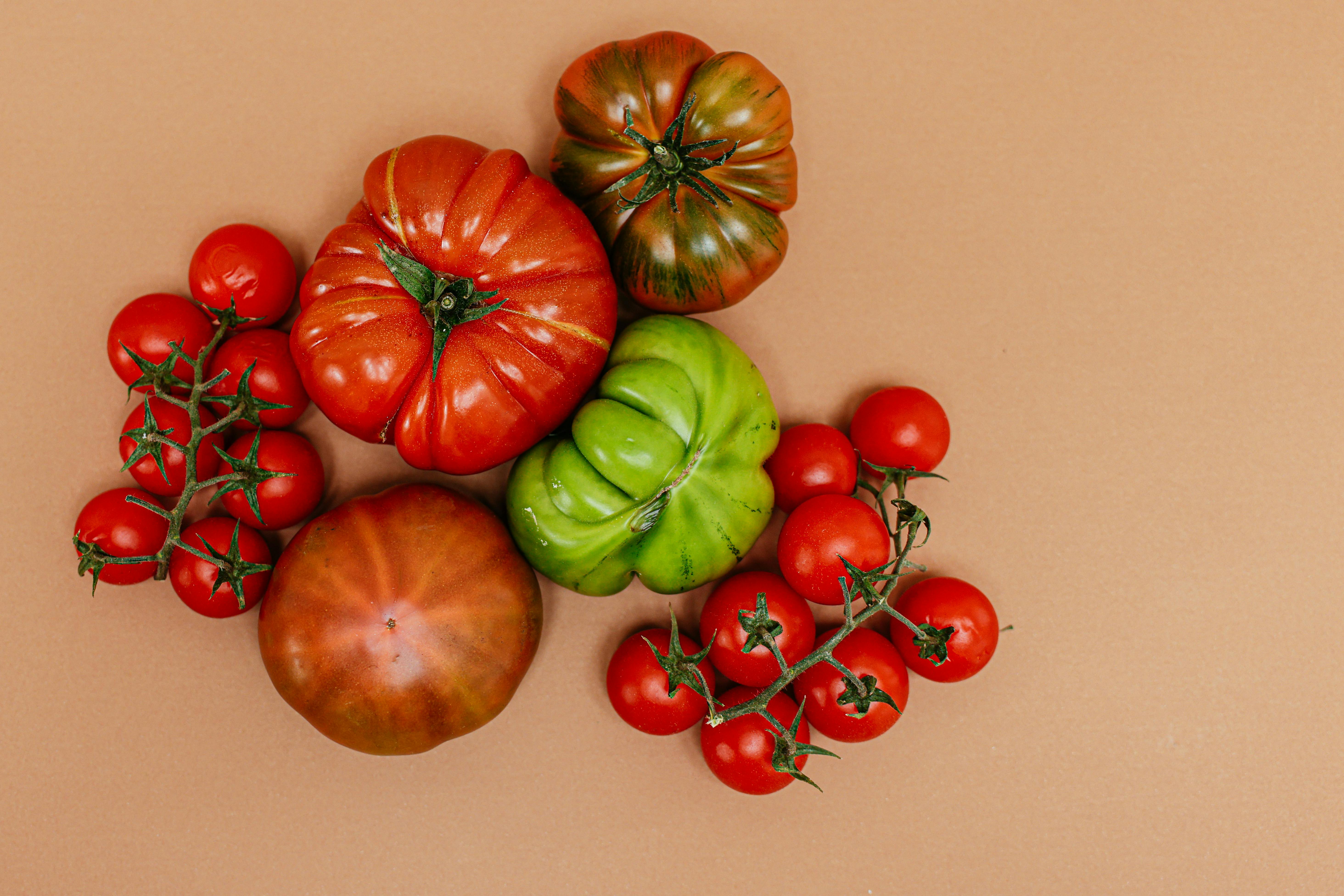
Tomatoes, often referred to as the “fruit of many colors,” are a staple in kitchens worldwide. Whether enjoyed fresh in a salad, cooked into sauces, or dried for a savory snack, tomatoes bring vibrant flavor and nutrition to the table. But beyond their appealing taste, tomatoes offer substantial health benefits — and for some, they can pose allergic risks.
Nutritional Value of Tomatoes
Tomatoes are low in calories yet rich in several essential nutrients, making them an excellent addition to a balanced diet. A medium-sized tomato contains about 22 calories, 5 grams of carbohydrates, 1 gram of protein, and minimal fat. They are particularly noted for their high content of vitamin C, potassium, folate, and vitamin K.
One of the standout compounds found in tomatoes is lycopene, a powerful antioxidant responsible for the red pigmentation. Lycopene has been extensively studied for its potential to reduce the risk of chronic diseases, including heart disease and certain types of cancer.
In addition to lycopene, tomatoes contain other antioxidants such as beta-carotene, naringenin, and chlorogenic acid. These compounds support the body’s ability to combat oxidative stress and inflammation.
Possible Allergic Reactions to Tomatoes
While tomatoes are healthy for most people, they can cause allergic reactions or sensitivities in some individuals. Tomato allergies are relatively uncommon but can manifest through symptoms like itching, swelling, hives, stomach pain, or respiratory issues. These reactions are typically triggered by proteins present in raw tomatoes and less so by cooked ones.
People who are allergic to grass pollens or latex may experience cross-reactivity when eating tomatoes, resulting in oral allergy syndrome (OAS). This condition involves localized itching or swelling in the mouth or throat shortly after consumption.
Another concern is food intolerance or sensitivity, which is different from a true allergy. Symptoms might include digestive discomfort, headaches, or skin irritations, and it’s often dose-dependent, meaning larger quantities elicit more severe reactions.
Incorporating Tomatoes Safely Into Your Diet
If you enjoy tomatoes but suspect a sensitivity, it’s advisable to consult with a healthcare professional or allergist. They can perform tests to determine if an allergy is present and recommend suitable dietary adjustments.
For most people, tomatoes can be a delicious and nutritious part of daily meals. Their vitamins, minerals, and antioxidants contribute to overall health and support immune function. Cooking tomatoes also enhances the absorption of lycopene, so incorporating both raw and cooked forms can maximize benefits.
Conclusion
Tomatoes are undoubtedly nutritional powerhouses, loaded with essential vitamins and antioxidants beneficial to human health. However, they can also act as allergens for a small portion of the population. Knowing your body’s response and how to incorporate tomatoes safely can help you enjoy their many health advantages without adverse effects.



Great article! I had no idea tomatoes had so many antioxidants. Definitely going to include more cooked tomatoes in my meals.
I have a mild tomato allergy and always thought it was just me. Thanks for explaining the cross-reactivity with pollen!
Very informative post. I appreciate the tips on how to incorporate tomatoes safely, especially for those with sensitivities.
I love how versatile tomatoes are, and it’s reassuring to know cooking enhances lycopene absorption.
I’ve experienced oral allergy syndrome with tomatoes and wasn’t sure what was causing it. This clears things up!