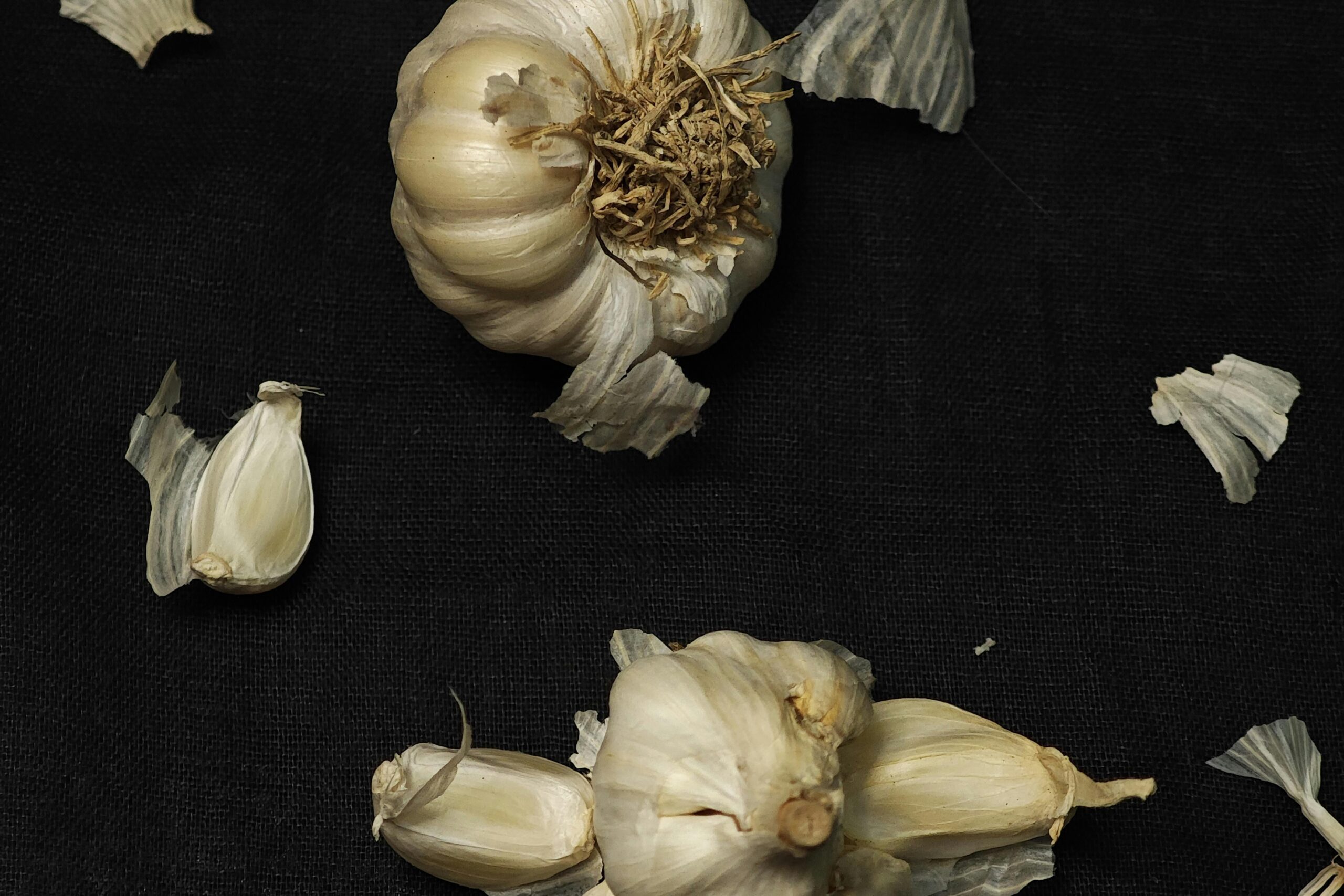
Garlic has been used for centuries not only as a flavorful ingredient in countless dishes but also as a natural remedy believed to offer various health benefits. This humble bulb is packed with compounds that have potential therapeutic properties. However, like many natural substances, garlic carries both advantages and risks that consumers should consider.
Immune-Boosting Properties
One of the primary reasons garlic is so highly regarded in traditional medicine is due to its immune-boosting abilities. Garlic contains a compound called allicin, which is responsible for most of its health-promoting qualities. Research indicates that allicin can help enhance the function of the immune system by stimulating certain cells such as macrophages, lymphocytes, and natural killer cells that are essential in fighting off infections.
Regular consumption of garlic may help reduce the incidence and severity of common colds and other minor infections. Several studies have noted that individuals who consume garlic regularly tend to report fewer colds and recover faster when sick. Additionally, garlic’s antimicrobial nature can assist in fighting bacteria, viruses, and fungi.
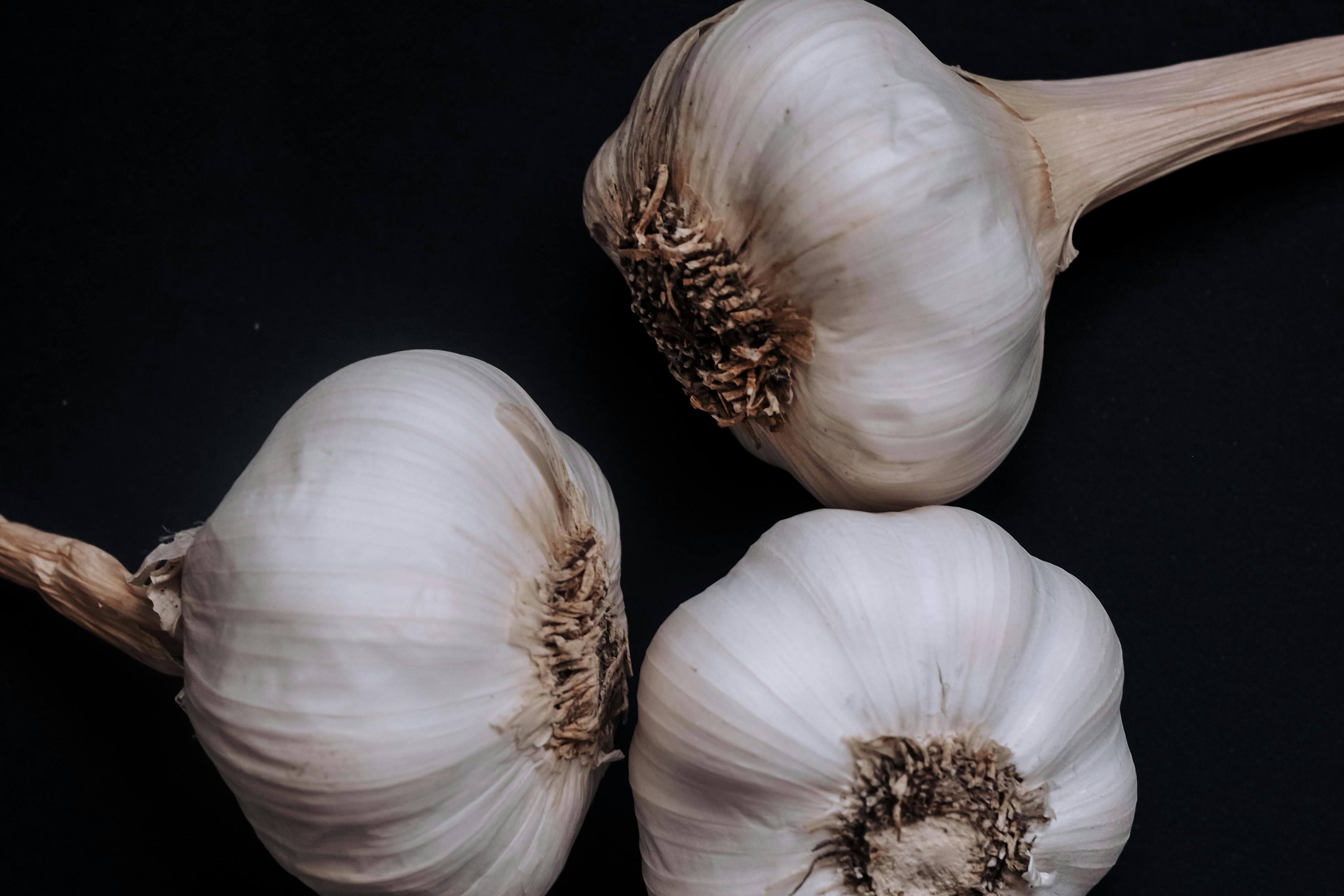
Cardiovascular Health Benefits
Another significant benefit of garlic is its positive impact on heart health. It has been shown to aid in reducing blood pressure levels in hypertensive individuals, which lowers the risk of heart disease and stroke. Additionally, garlic can help reduce levels of total cholesterol and LDL (bad cholesterol), contributing to a healthier lipid profile. Its anti-inflammatory and antioxidant effects also protect the heart vessels from damage caused by oxidative stress.
Potential Risks and Side Effects
Despite its many benefits, garlic is not without risks. Consuming garlic in large amounts or as concentrated extracts may cause side effects such as bad breath, body odor, heartburn, digestive upset, and allergic reactions in some people. These effects are typically mild but can be bothersome.
Garlic also has blood-thinning properties, which means that it may interfere with blood clotting. This can be particularly risky for individuals taking anticoagulant medications or those preparing for surgery. Therefore, it is advisable to consult a healthcare professional before using garlic supplements in such cases.
In rare instances, excessive garlic consumption can lead to more serious complications such as bleeding or low blood pressure. Pregnant or breastfeeding women should also seek medical advice before significantly increasing garlic intake.
Conclusion
Garlic is a natural ingredient that offers several health benefits, particularly in boosting immunity and supporting cardiovascular health. However, it is important to consume garlic in moderation and be aware of potential side effects. Those with underlying health conditions or who take certain medications should consult with their healthcare providers before incorporating large amounts of garlic or garlic supplements into their diets.
In summary, garlic can be a valuable addition to a balanced diet if used thoughtfully and mindfully.



I’ve been using garlic supplements for a few months, and I definitely feel like my colds are less severe. Great article!
It’s important to note the blood-thinning effects. I learned that the hard way before surgery.
I love cooking with garlic, but sometimes it upsets my stomach. Glad to see that mentioned here.
Very informative, thanks for the detailed overview of both benefits and risks.